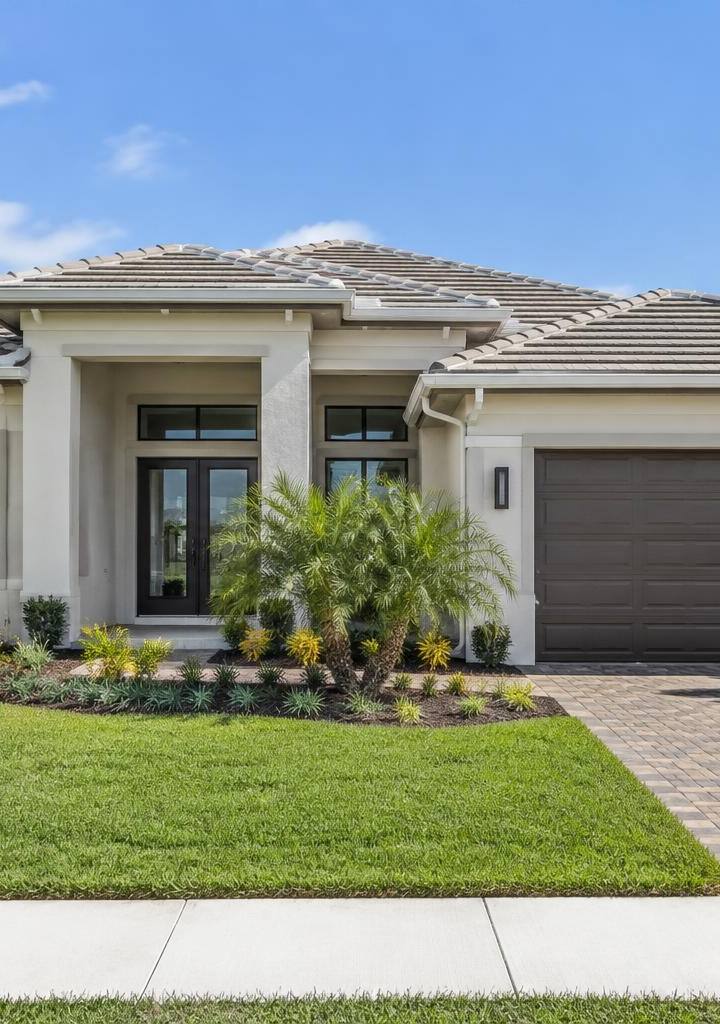

Understanding Sarasota Housing Options
Looking at homes in Sarasota involves understanding the different housing types, commute times, and public amenities available. This overview explains how to look at property inventory across the region's diverse geographic sectors.
By Akeme Foster · September 23, 2026 · 3 min read
The Inventory of Sarasota Housing
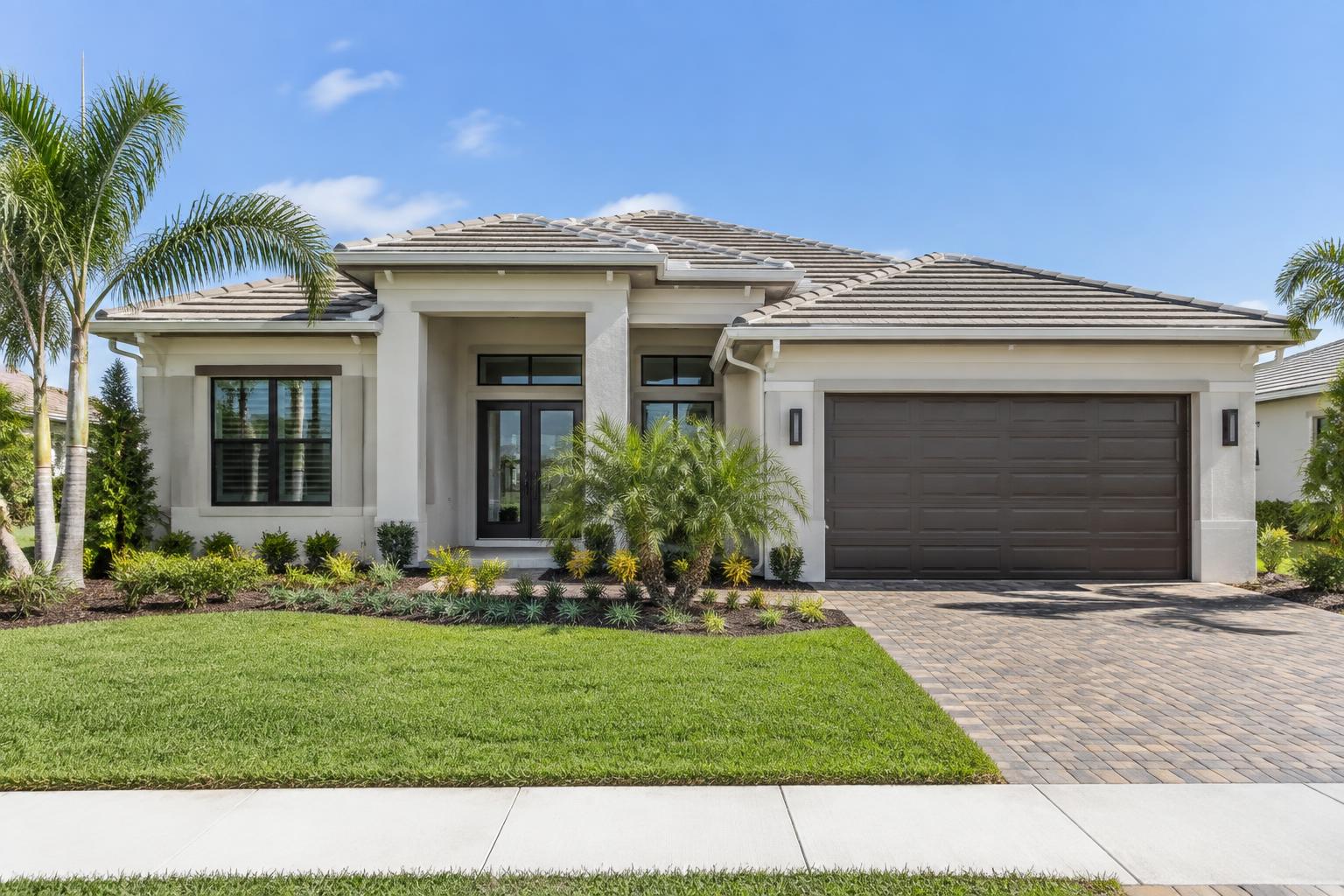
When you start looking at homes in Sarasota, you will notice a mix of property types that ranges from mid-century concrete block houses to newer wood-frame structures. Most inventory in the central areas consists of single-family detached homes, which are individual houses that don't share walls with neighbors. You will also find various condominium complexes, which are units where you own the interior space but share ownership of the building's exterior and common grounds.
Property age is a practical factor to consider here. Many homes in the city center date back to the 1950s and 1960s. These often feature terrazzo flooring and larger lot sizes. Newer construction is more common as you move further east away from the coastline. These homes typically use modern building materials designed to meet current wind-mitigation standards, which can influence how insurance policies are calculated for the property.
Geographic Proximity and Commute Times
Sarasota geography is defined by its coastal orientation. The region is long and narrow, meaning your commute depends heavily on which north-south artery you use. The main roads, such as US 41 and Tamiami Trail, provide the primary routes for traveling between the northern and southern edges of the county. During peak morning and evening hours, the volume of traffic on these main roads can increase commute times by twenty to thirty minutes depending on the specific distance you need to travel.
If your daily routine involves traveling to downtown hubs, consider the distance from the I-75 corridor. Living closer to the interstate makes travel to Tampa or other northern points more direct, but it adds distance to the immediate coastal access points. Most residential pockets in the region are situated within a ten-to-fifteen-minute drive of a public park or a public boat launch. These public amenities are maintained by the county and provide access to the water without requiring private ownership of a dock.

Evaluating Public Amenities
Every neighborhood in Sarasota connects to a network of public infrastructure. When you evaluate a property, look at the distance to the nearest public library, public park, and public transit stop. These are concrete indicators of how a location functions for your daily needs. The city maintains several large public parks that include paved walking paths and open fields, which are open to the general public regardless of where you live.
Public water access is another feature of the regional layout. While not every house sits on the water, many neighborhoods are situated within a five-mile radius of a public beach access point or a public pier. These access points provide entry to the Gulf of Mexico. It is helpful to review the location of these points on a map to understand how much travel time you will spend to reach the coast on a given day. You don't need to live directly on the water to reach these public amenities quickly.
Understanding Property Maintenance and Costs
Beyond the price of the home itself, look closely at the physical requirements of the property. Homes closer to the coast often have specific maintenance needs related to salt air exposure, which can impact the longevity of exterior paint and metal fixtures. Inland homes might have different maintenance needs related to landscaping and drainage, especially in areas with lower elevations.
You will also encounter properties governed by a homeowners association, or HOA. An HOA is a legal entity that manages the common areas of a community. If you purchase a home in one of these areas, you must pay monthly or annual dues. These dues cover the maintenance of shared features like roads, streetlights, or community pools. When you view a listing, look for the disclosure documents that outline exactly what those dues cover. This helps you understand the total cost of ownership beyond just the mortgage payment. Knowing what you are responsible for maintaining versus what the association handles is a fundamental part of the process.
- sarasota
- real-estate
- housing-types
- first-time-buyer