

What to expect when buying a home in a Florida master-planned community
Master-planned communities operate differently than standard residential neighborhoods. This guide covers how homeowner associations, deed restrictions, and shared amenities shape your ownership experience and the homebuying process in Florida.
By Akeme Foster · September 12, 2026 · 3 min read

Understanding the Structure of a Master-Planned Community
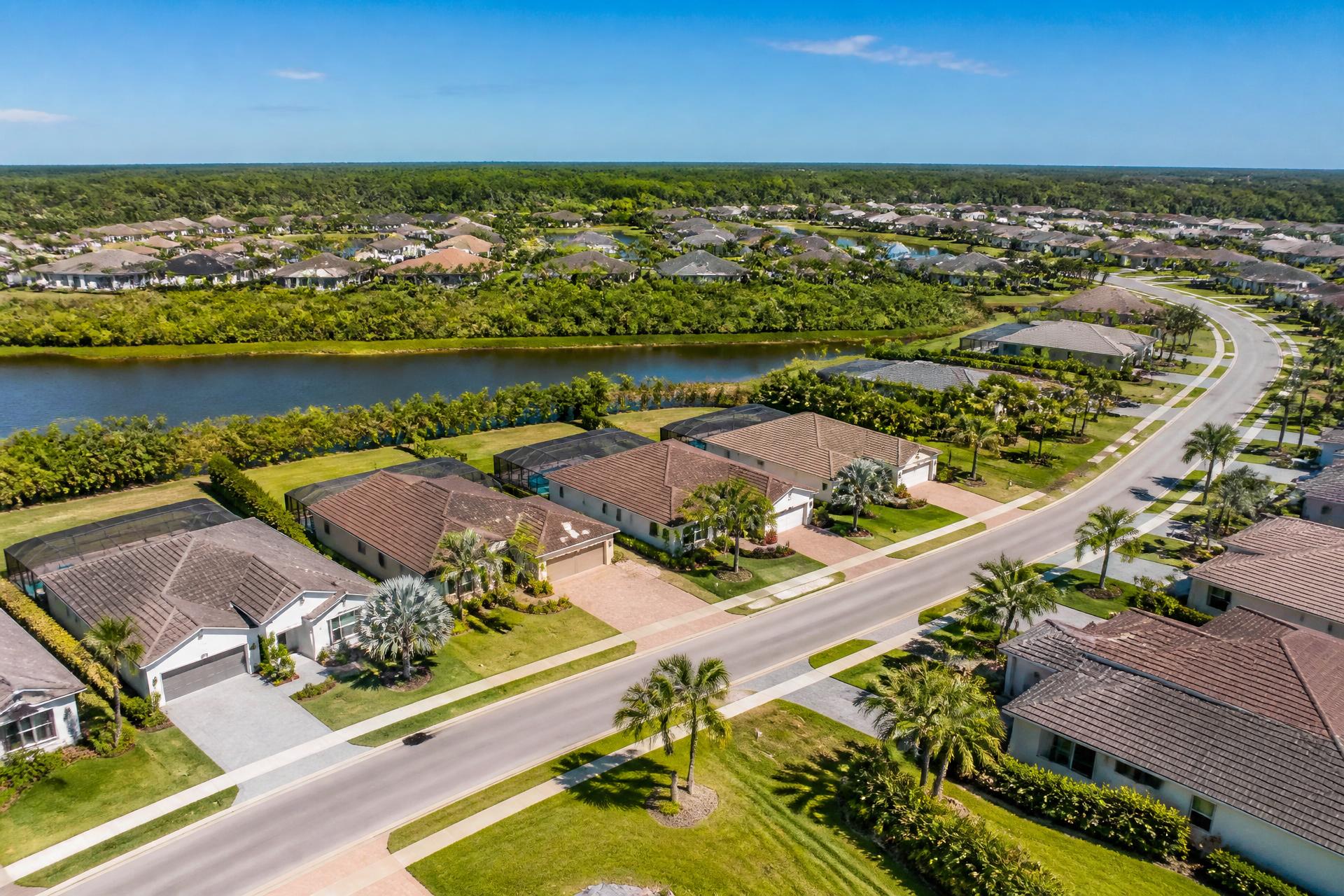
When you look at properties across Florida, you will notice a distinct difference between a standalone neighborhood and a master-planned community. A master-planned community is a large-scale residential project developed according to a comprehensive plan. Instead of homes being built one by one over decades, these areas are designed and constructed in phases under a unified vision.
This design process means the infrastructure—roads, utility layouts, and common spaces—is mapped out before the first foundation is poured. Because these developments are built as a single entity, they operate under a set of governing documents managed by a Homeowner Association (HOA). This organization is responsible for maintaining the common areas, such as entry gates, landscaping in shared spaces, and any recreational facilities provided within the development boundaries.
The Role of the Homeowner Association
In a master-planned community, membership in the HOA is not optional. When you purchase a home, you automatically agree to abide by the association's bylaws and pay regular assessments. These fees cover the maintenance of shared amenities like pools, fitness centers, or clubhouse facilities. It is common to see these fees billed monthly, quarterly, or annually, depending on the specific community’s rules.
These associations also enforce deed restrictions. These are written agreements that dictate what you can and cannot do with your property. They might cover paint colors, the types of fences allowed, where you can park vehicles, or how you maintain your landscaping. These rules aim to ensure a uniform appearance throughout the community. Before you decide to move forward with a purchase, your real estate agent will provide you with the governing documents so you can read through the specific requirements of that association.
The Architectural Review Process
One aspect that surprises many first-time buyers is the architectural review process. If you want to make changes to your home’s exterior—such as adding a screened enclosure, changing your roof shingles, or installing a new type of window—you usually need approval from an architectural review committee. You submit your plans, and the committee reviews them against the community guidelines to ensure they align with the established aesthetic.
This process exists to maintain the visual consistency of the neighborhood. While it adds a step to any home improvement project, it provides a layer of predictability regarding what surrounding homes will look like in the future. It is a fundamental part of the trade-off for living in a community with these types of shared governance structures.
Comparing the Buying Process
Buying a home within a master-planned community involves a few extra steps compared to purchasing a resale home in an older, traditional neighborhood. Because there are governing documents and potential additional disclosures, the due diligence period often includes time specifically for reviewing the HOA's financial health, their reserve fund status, and the current rules of the association.
The contract process is also slightly different. You will sign the standard purchase agreement, but you will also receive a bundle of documents related to the HOA. It is common for these to include a copy of the recorded declaration, the articles of incorporation, and the current budget. You will have a defined window of time to review these documents. If you find that the community's rules or its financial situation don't align with your needs, this period is when you can withdraw from the contract according to the terms of your agreement.
When you attend your closing, you will likely see additional line items on your settlement statement related to the HOA. These might include a capital contribution fee, which is a one-time payment made to the community's reserve fund, or prorated HOA dues. These are standard procedures for these types of properties. Understanding these components early helps you keep your expectations clear as you move through the process. Focus on the physical layout, the specific amenities available, and the rules in the bylaws, and you will have a much clearer picture of what daily life will look like in your new home.
- first-time-buyers
- homeowner-association
- florida-real-estate
- property-ownership